

Pop Mart Joins the AI Salesperson Trend
Synthetic salespeople are no longer science fiction. They're selling dolls.
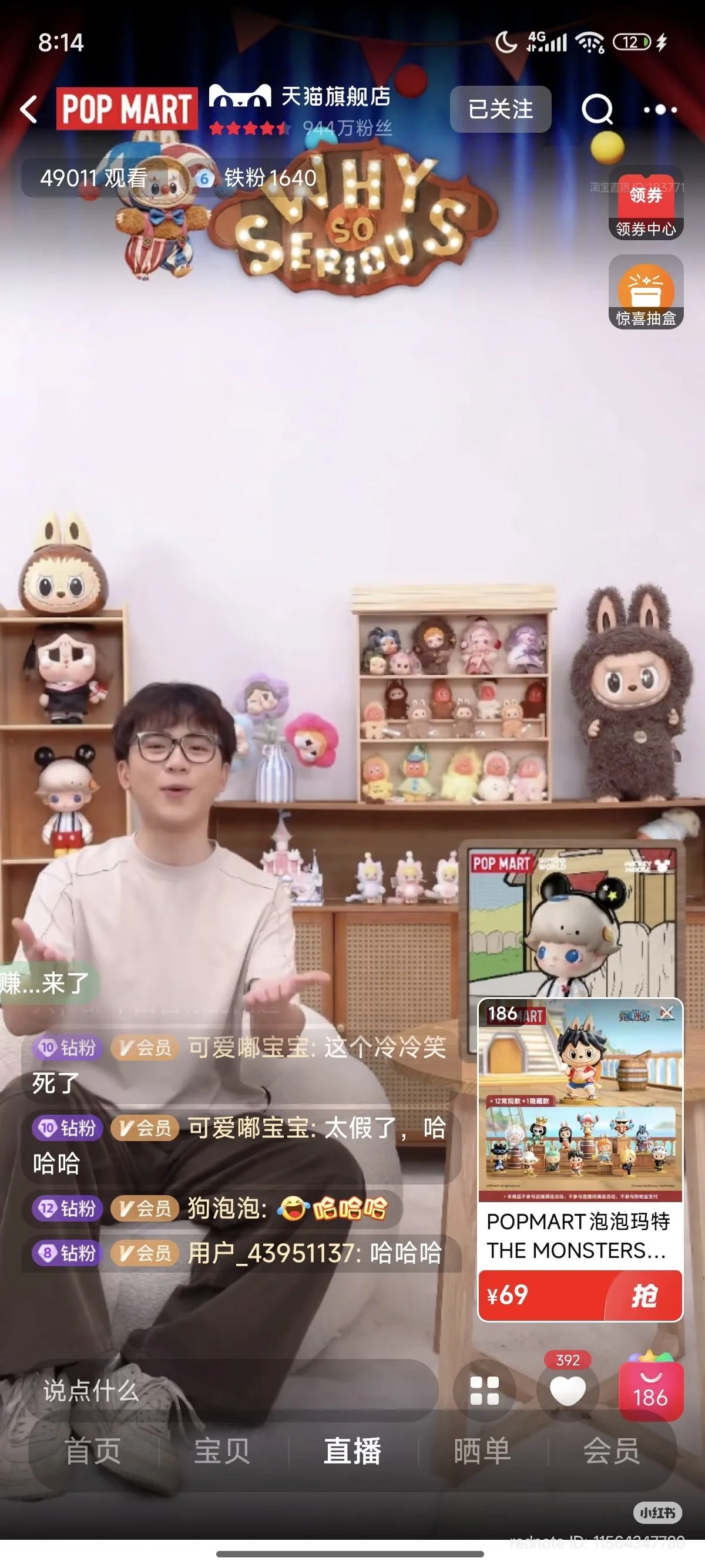
Like many companies in China, Pop Mart has deployed AI salespeople on its livestreams.
⏰ Mon, Nov 24, 2025 @ 6:30 PM CST
🏭 Published from Dongguan, China
🔨 Built by Chase Burns Broderick
“79 yuan for a keychain? That’s really too expensive!”
That’s the quote that this month sparked a significant headache for Pop Mart, the breakthrough Chinese toy company behind the viral Labubu IP.
During a recent Pop Mart livestream in China, a (human) salesperson blurted out that the company’s recent pricing (around $11) for a DIMOO “newborn diary” chain was really too high. The other employee on the livestream responded with, “It’s fine. Someone will pay for it.” Never mind that products are much more expensive overseas; the perception among Chinese buyers is that many of Pop Mart’s prices have drifted from “little treat” to “out-of-reach.” (Gold Baby Molly, anyone?)
Under pressure, Pop Mart said it wouldn’t fire the staffers, a rare moment where fans and critics agreed the company had at least made the right call on people, if not on pricing.
But companies like Pop Mart are already testing an easier way out of moments like this: replace uncontrollable human mouths with synthetic ones.
The results aren’t always perfect (see the glitches above), but the trend is clear.
AI salespeople have been coming for a few years. In fact, there were reports of day-long (24+ hours) livestreams hosted by AI salespeople as early as 2023.
A Jing Daily note from April 2024 was the first time this snapped into focus for me. JD.com founder Liu Qiangdong showed up as a “digital human” on the JD app, calling himself “Big Brother Dong” and greeting viewers as “brothers.” The company’s team had trained an AI version of him to copy his speech patterns and hand gestures, and within thirty minutes the digital twin had pulled more than 10 million views. Analysts were blunt: human hosts are expensive, and digital persona anchors dramatically cut livestream costs.
Since then, AI salespeople have only spread more quickly in China.
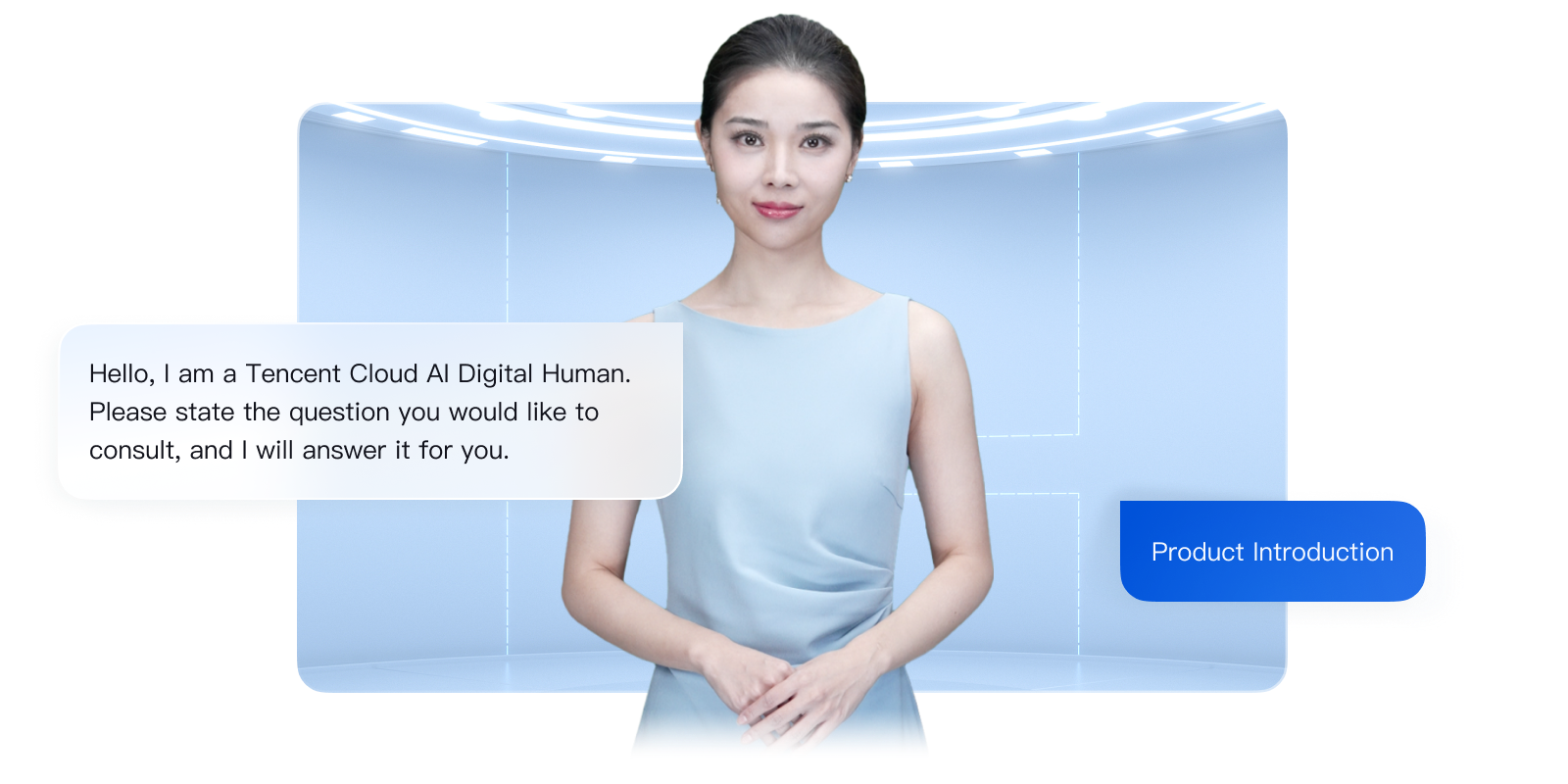
A Tencent Cloud AI Digital Human demonstrates the new wave of “synthetic salespeople” in China—lifelike virtual staff that answer questions, guide users, and provide 24/7 brand support with photorealistic presence.
Taobao, the digital platform where people buy basically everything over here, announced earlier this year an 11 billion RMB investment in Taobao Live, including heavier spending on AI tools like virtual try-ons and digital human hosts. Brother, the printer company, has used AI salespeople across Taobao and Pinduoduo (Temu). After deploying the avatars, the company reported a 30% uptick in livestream sales.
As writer Julian Carter said in the recent article “Are Human Salespeople Obsolete? Inside the World of Chinese Virtual Human Salespeople,”
Imagine your top salesperson, cloned. Now imagine that clone is always having their best day, forever. That is the reality of an AI avatar. These digital employees operate around the clock, 365 days a year, capturing sales in the dead of night, during holidays, and in every time zone simultaneously.

AI-generated “virtual human” sales hosts used by Brother on Taobao and Pinduoduo demonstrate how Chinese ecommerce brands are swapping human livestreamers for 24/7 synthetic presenters programmed to pitch products, answer questions, and never get tired. | Shanghai-based PLTFRM
Media analysts in China widely expect the sale of products by synthetic hosts to become the new normal in livestream e-commerce.
One obvious takeaway? I doubt these hosts will ever complain about pricing.
